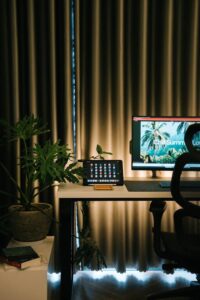
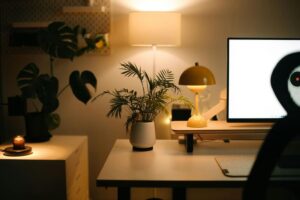


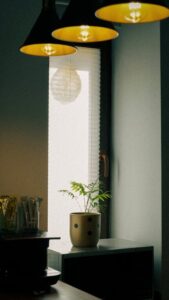
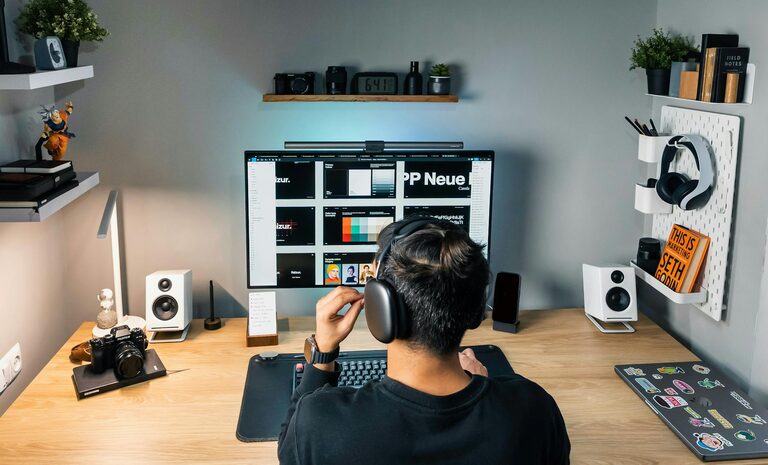
Creating a home office that feels comfortable yet keeps you productive is essential, especially as remote work becomes more common. A well-designed space can boost your focus, reduce stress, and make your workday more enjoyable. Here are some practical tips to help you craft a cozy and efficient home office.
Choose the Right Location
Start by finding a spot in your home that suits your work needs. Ideally, this space should be:
– Quiet and private: To minimize distractions and help you concentrate.
– Well-lit: Natural light is best; it can improve mood and reduce eye strain.
– Close to electrical outlets: For easy access to power your devices.
– Adequate space: Enough room for your desk, chair, and any equipment you need.
If possible, avoid setting up in high-traffic areas like the kitchen or living room, unless you can create a clear boundary.
Invest in Comfortable, Supportive Furniture
Your desk and chair are the foundation of your workspace comfort and productivity. Consider these tips:
– Ergonomic chair: Choose one that supports your lower back and encourages good posture.
– Desk height: Your desk should allow your elbows to bend at about 90 degrees when typing.
– Adjustable furniture: If possible, use a desk or chair that can be adjusted to fit your body and tasks.
– Additional seating: A small comfy chair or cushion can provide a spot for breaks or reading.
Comfort reduces fatigue and prevents discomfort that can distract you from your work.
Optimize Lighting to Reduce Eye Strain
Good lighting is key for comfort and productivity. Here’s how to enhance it:
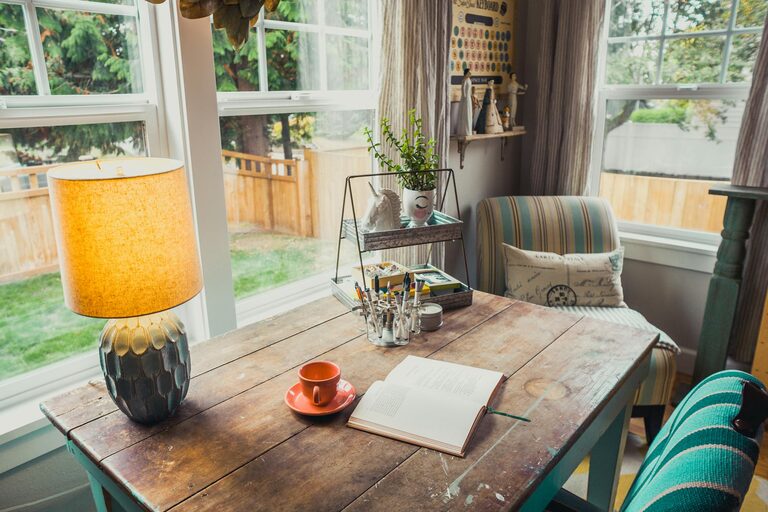
– Maximize natural light: Position your desk near a window but avoid glare on your screen.
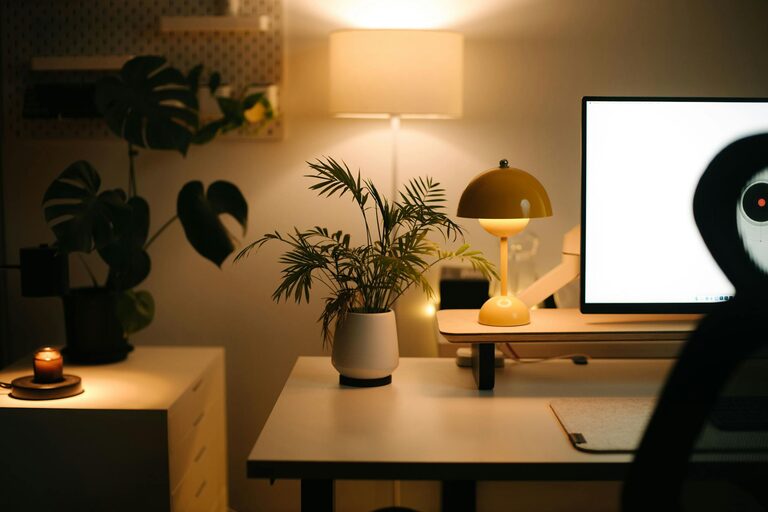
– Use task lighting: A desk lamp with adjustable brightness helps during darker hours.
– Avoid harsh overhead lights: If possible, opt for soft, diffused lighting.
– Consider color temperature: Warm light creates coziness, while cooler light can boost alertness.
Balancing these factors keeps your eyes comfortable and your environment inviting.
Personalize Your Space
Adding personal touches can make your workspace feel welcoming and motivating:
– Plants: Small indoor plants improve air quality and add a natural, calming element.
– Decor: Artwork, photos, or meaningful items can make your space feel uniquely yours.
– Color scheme: Use colors that inspire and relax you, such as blues, greens, or warm neutrals.
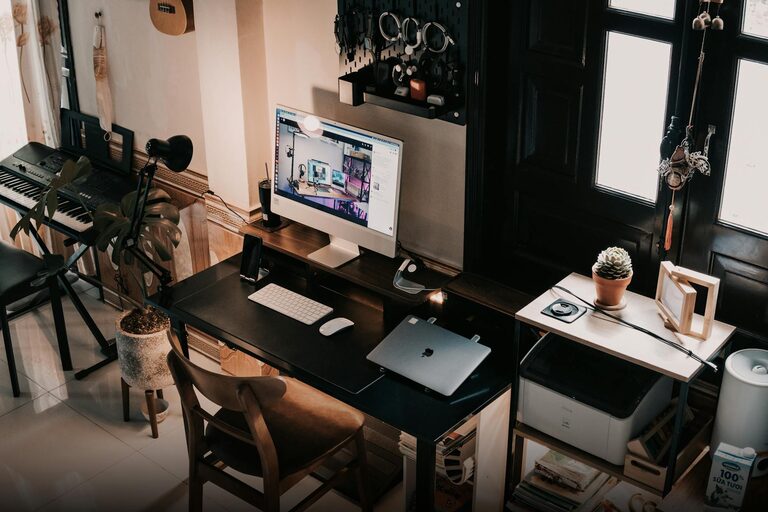
– Organizers: Stylish containers, shelves, or bulletin boards keep clutter at bay while reflecting your style.
Personalization helps your workspace feel less like a chore and more like a place you want to spend time.
Keep Your Workspace Organized
An organized space promotes clear thinking and efficiency. Try these strategies:
– Declutter regularly: Remove unnecessary objects and papers.
– Use storage solutions: Drawers, shelves, and bins keep supplies out of sight but within reach.
– Cable management: Use clips or ties to keep cables tidy and prevent tangles.
– Daily reset: Spend a few minutes each day tidying your desk for a fresh start tomorrow.
Keeping things in order will minimize distractions and improve workflow.
Minimize Noise Distractions
Noise can disrupt focus, so consider ways to control it:
– Noise-canceling headphones: Great for blocking out background noise.
– Soft furnishings: Rugs, curtains, and cushions absorb sound.
– White noise: A fan or white noise machine can mask disruptive sounds.
– Set boundaries: Inform household members of your work hours to reduce interruptions.
A quieter environment supports concentration and productivity.
Set Clear Work Hours and Boundaries
Even the best space won’t help if work and personal life blend confusingly. Keep these in mind:
– Consistent schedule: Establish regular start and finish times.
– Designate a “work zone”: Keep your office separate from relaxation areas.
– Take breaks: Step away throughout the day to recharge.
– Turn off work notifications: When done, avoid checking email or messages.
Clear boundaries help keep your workflow balanced and your mind refreshed.
Incorporate Wellness Elements
Your workspace can encourage healthier habits:
– Stretch space: Leave room to stretch or do brief exercises.
– Water nearby: Keep a water bottle handy to stay hydrated.
– Air quality: Open windows or use an air purifier for fresh air.
– Natural elements: Plants or nature imagery reduce stress.
These small wellness touches support your physical and mental well-being during work hours.
—
Creating a home office that blends coziness with productivity is about balancing comfort and function. By choosing the right location, investing in supportive furniture, optimizing lighting, personalizing and organizing your space, minimizing distractions, setting boundaries, and adding wellness features, you can build an environment that helps you work at your best while feeling relaxed and motivated. Take your time to tailor your space to your needs — a great home office is an investment that pays off every day.