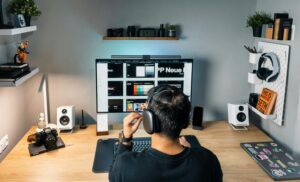
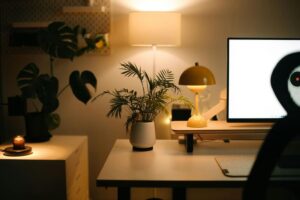



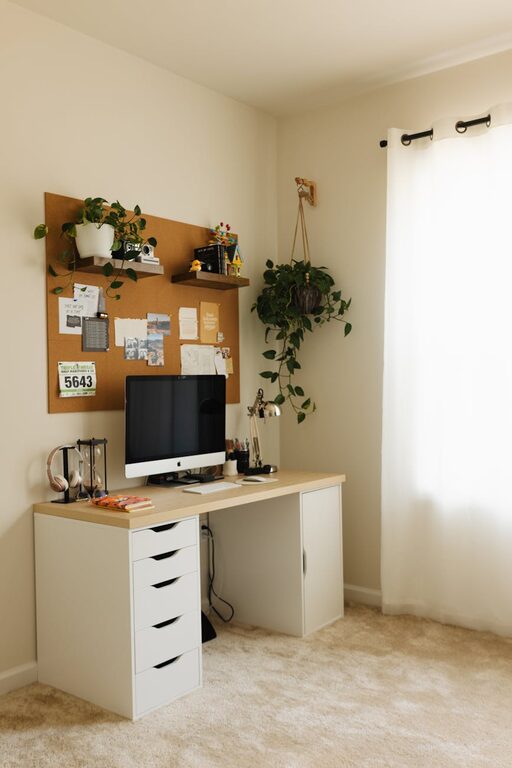
Creating a comfortable and efficient home office is essential for anyone working remotely or pursuing personal projects. A well-designed workspace can improve focus, reduce stress, and enhance overall productivity. Whether you have a dedicated room or a small corner, these tips will help you transform your home office into a cozy and productive environment.
Choose the Right Location
Assess Your Space
Start by finding a spot in your home that suits your work needs. Ideally, choose a quiet area with minimal distractions, good natural light, and enough space for your equipment.
Consider Privacy
If possible, pick a space separate from high-traffic areas to prevent interruptions. Using room dividers or noise-cancelling headphones can help reduce noise and create a sense of privacy.
Prioritize Ergonomics
Invest in a Comfortable Chair
A chair designed for long hours of sitting can prevent back pain and improve focus. Look for adjustable features like seat height, lumbar support, and armrests.
Position Your Desk Correctly
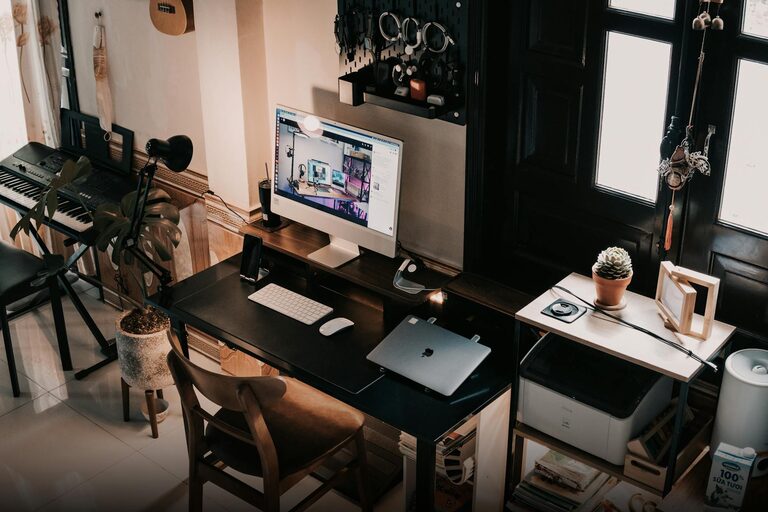
Your desk should allow your forearms to rest comfortably while typing, with your monitor at eye level to avoid neck strain. Use monitor stands or adjustable desks if needed.
Optimize Lighting
Maximize Natural Light
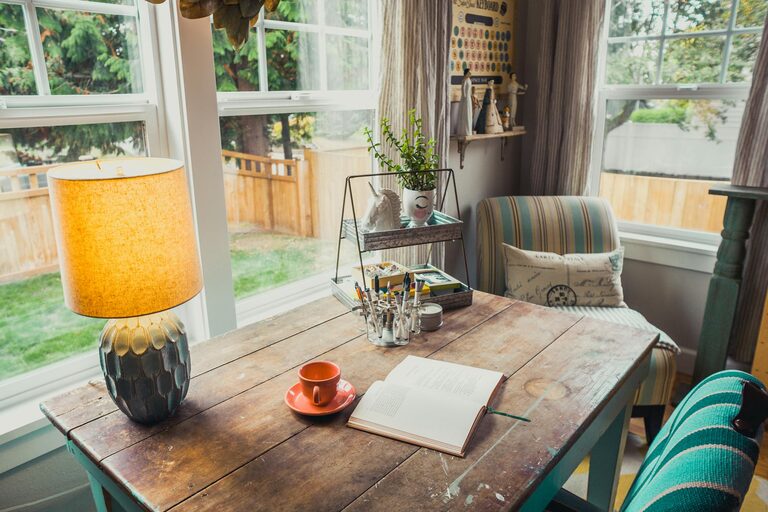
Natural light can boost mood and energy, so position your desk near a window if possible. Use sheer curtains to diffuse harsh sunlight while keeping the space bright.
Add Task Lighting
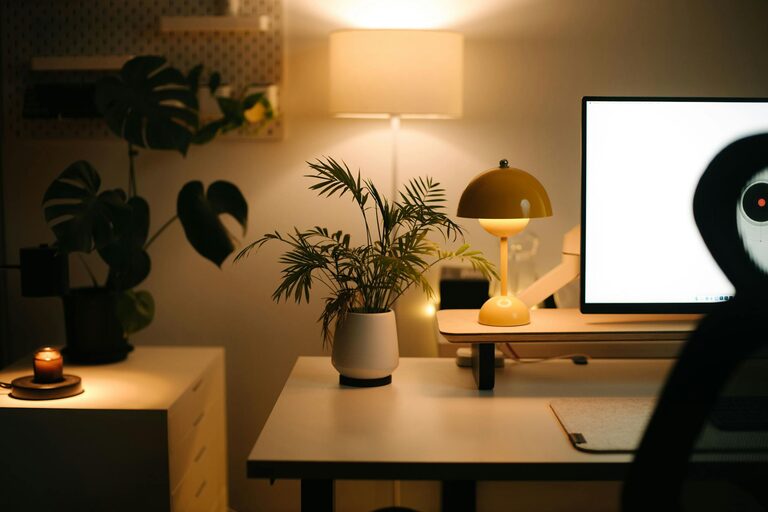
Desk lamps with adjustable brightness and color temperature can reduce eye strain during late hours or cloudy days. LED lights are energy-efficient and long-lasting.
Personalize Your Workspace
Use Colors Wisely
Soft, neutral colors can create a calming atmosphere, while pops of bright color can inspire creativity. Choose a palette that makes you feel comfortable and motivated.
Incorporate Personal Items
Adding plants, artwork, or photos can make your space feel inviting and uniquely yours. Just be careful not to clutter your desk or walls.
Keep Things Organized
Declutter Regularly
Remove unnecessary items from your desk to maintain focus. Clutter can be distracting and reduce efficiency.
Use Storage Solutions
Shelves, filing cabinets, baskets, and drawer organizers help keep supplies tidy and accessible. Label containers to save time finding what you need.
Manage Technology Efficiently
Set Up Reliable Equipment
A fast computer, stable internet connection, and good headphones or speakers are essential for effective work.
Organize Cables
Use cable organizers or clips to prevent a tangled mess of cords. This improves both safety and appearance.
Establish Boundaries and Routine
Define Work Hours
Setting specific working hours helps maintain balance between work and personal life.
Create Transition Rituals
Start and end your workday with simple rituals, such as making a coffee or taking a short walk, which signal your brain to switch modes.
Add Comfort Elements
Control Temperature
Keep the room at a comfortable temperature, using fans or heaters as needed.
Use Cozy Textiles
Add cushions, a soft rug, or a cozy blanket to make your office feel warm and inviting.
Final Thoughts
Creating a home office that balances comfort and productivity takes some planning, but the benefits are well worth it. By focusing on location, ergonomics, lighting, personalization, organization, and routines, you can build a workspace that helps you do your best work while feeling relaxed. Experiment with these tips and adjust based on what works best for you—your ideal home office is just a few steps away!