




Working from home has become a common part of our lives, whether for a full-time job, freelancing, or side projects. Having a dedicated, well-organized home office can make a significant difference in how productive and comfortable you feel throughout your workday. If you’re ready to improve your at-home workspace, this guide offers practical tips to help you create a productive home office space.
Choose the Right Location
The first step in setting up an effective home office is selecting the best spot for it. Ideally, choose a quiet area with minimal distractions. Some popular options include:
– A spare room or guest bedroom
– A quiet corner in the living room or bedroom
– A nook near a window for natural light
Wherever you decide, try to separate your work zone from the rest of your home life to help keep your focus.
Prioritize Ergonomics
Comfort and good posture are essential for long hours of work. To reduce aches and improve concentration:
– Choose a chair with good lumbar support.
– Use a desk at a height where your elbows rest comfortably at right angles.
– Keep your computer monitor at eye level to avoid neck strain.
– Consider adjustable desks that allow you to switch between sitting and standing.
Setting up ergonomically will help you stay comfortable and avoid fatigue.
Maximize Natural Light
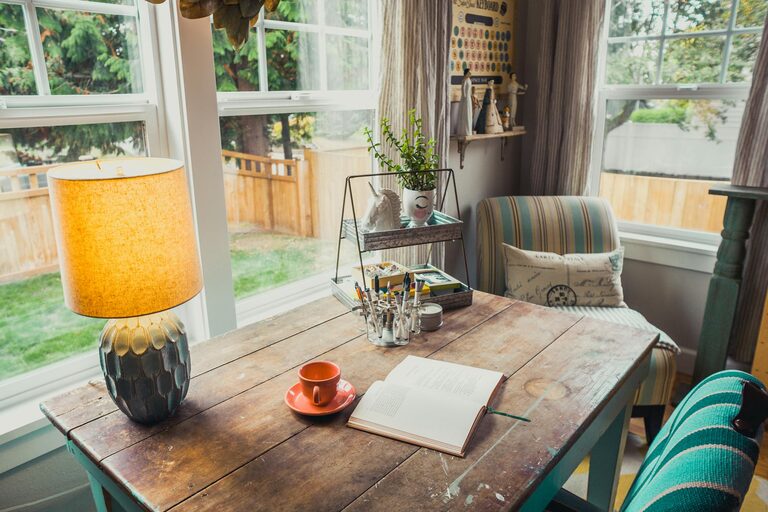
Natural light has a positive impact on mood and energy levels. Position your desk near a window if possible, but avoid glare on your screen by angling your monitor or using curtains/blinds to control sunlight. If natural light is limited, invest in bright, adjustable lighting with soft white bulbs to reduce eye strain.
Declutter and Organize
A clean and tidy workspace promotes better focus. Use organizers such as drawer dividers, shelves, or desk trays to keep everything in its place. Consider these strategies:
– Keep only essential supplies on your desk.
– Store paperwork in labeled folders or filing cabinets.
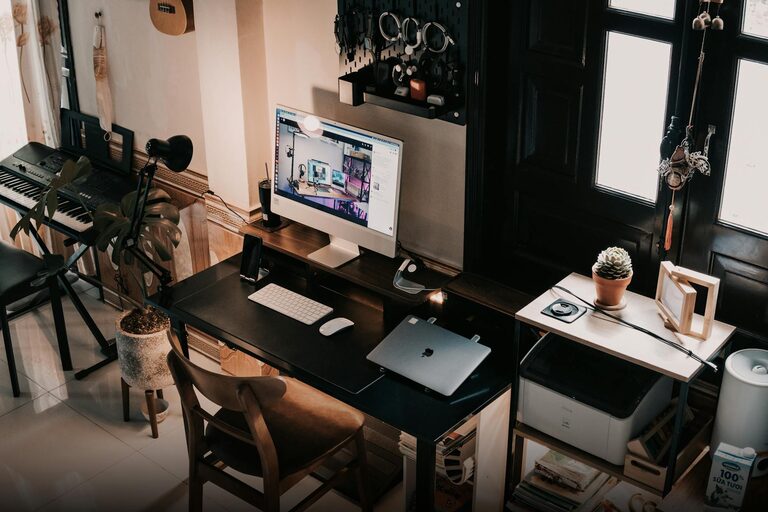
– Use cable management tools to prevent tangled wires.
– Regularly clear your desk of unnecessary items.
An organized environment helps keep your mind clear and work flowing smoothly.
Personalize Your Space
Adding a few personal touches makes your home office inviting and motivating. Consider:
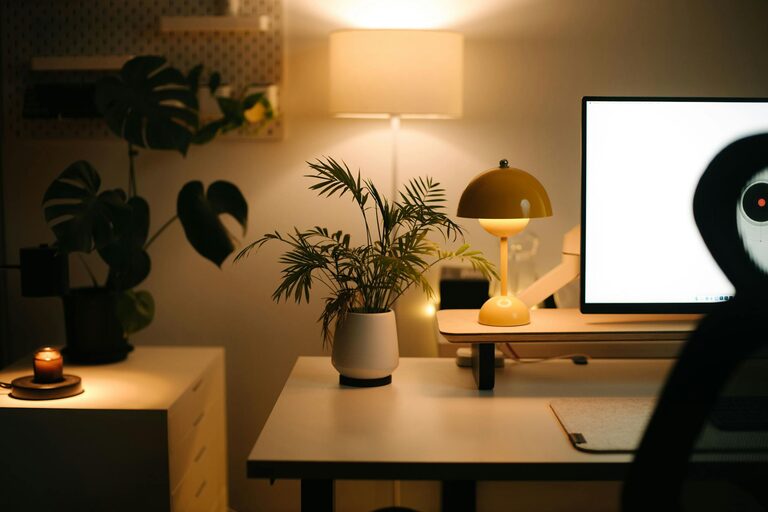
– Plants for a touch of greenery and improved air quality.
– Inspirational art or quotes that inspire positivity.
– Photos or mementos that make the space feel like yours.
– A comfortable rug or cushions for coziness.
These small enhancements can create a pleasant atmosphere that encourages productivity.
Set Boundaries and Minimize Distractions
To maintain focus during work hours, establish clear boundaries, especially if you share your home with others:
– Communicate your work schedule with family or housemates.
– Use noise-canceling headphones or white noise machines if needed.
– Turn off non-essential notifications on your phone and computer.
– Take scheduled breaks to recharge and avoid burnout.
Being intentional about your work habits supports consistent productivity.
Equip Your Office with the Right Tools
Having the right technology and supplies on hand can save time and reduce frustration. Essentials might include:
– A reliable computer and internet connection.
– A quality keyboard and mouse suited to your work style.
– A printer/scanner if your tasks require it.
– Notebooks, pens, and other stationery for jotting down ideas.
Invest in tools that help you work efficiently.
Incorporate Time Management Strategies
A productive workspace is one part of managing your work effectively. Combine your physical environment with smart routines:
– Use planners or digital calendars to plan your day.
– Break work into focused intervals, such as the Pomodoro technique (25 minutes work, 5 minutes break).
– Prioritize tasks by importance and deadline.
– Set clear goals for each work session.
A streamlined workflow keeps you on track and motivated.
Keep It Flexible
Finally, remember that your needs may change over time. Be open to rearranging your office layout, updating equipment, or tweaking your routines as you learn what works best. Flexibility helps you maintain long-term productivity and satisfaction.
—
Creating a productive home office space is about more than just finding a desk. By carefully considering your location, comfort, organization, and mindset, you can design a workspace that supports your best work every day. Start with these tips, and enjoy the benefits of a focused and inspiring home office!